
Remember those sci-fi movie scenes where intelligent robot assistants cook meals, clean the house, and even offer wise advice? What once seemed like a far-fetched fantasy is now becoming part of our real, everyday lives. Robotics in everyday life is no longer a futuristic dream—it’s a modern-day reality unfolding all around us.
From smart devices in our homes to automated systems in cities, robots are playing a critical role in enhancing convenience, safety, productivity, and even emotional well-being.
Let’s explore how these remarkable machines are transforming different aspects of daily life.
Robots at Home: Making Everyday Life Effortless
1. Robotic Vacuum Cleaners and Mops
Devices like the Roomba, Roborock, and Ecovacs have become household essentials. Equipped with sensors, AI, and mapping capabilities, these robots clean floors autonomously, detect carpets, avoid stairs, and even return to their docks for recharging.
2. Smart Kitchen Appliances
Imagine waking up to coffee brewed by your voice command or having your smart fridge notify you when groceries run low. Appliances like Samsung’s Family Hub refrigerator, June Oven, and robotic bartenders are transforming kitchens into intelligent cooking spaces.
3. Virtual Home Assistants
Though they don’t have arms or legs, devices like Amazon Echo, Google Nest, and Apple HomePod are central to robotic home ecosystems. They control lighting, security systems, temperature, and more, offering a truly connected lifestyle.
4. Robotic Lawn Mowers
Just like robotic vacuums, automated lawn mowers like Husqvarna Automower or Worx Landroid cut grass independently. They can navigate terrain, avoid obstacles, and even mow in the rain.
5. Home Surveillance Robots
Robots like Moorebot Scout and Ring Always Home Cam patrol your home, provide video surveillance, and even send alerts in real-time to your phone, ensuring safety and peace of mind.
You may also like to read this:
Top Educational Technology Trends 2025 Shaping Learning
Machine Learning For Beginners: Your Easy Step-by-Step Guide
Explore The Top Artificial Intelligence Trends For 2025 Now
Future Of Education 2025: Hybrid, AI, And VR Innovations
Blockchain Technology Explained: A Simple Guide
How AI Is Changing Industries: Trends To Watch In 2025
Future of Blockchain: What Lies Ahead in Tech
Robots at Work: Boosting Productivity, Efficiency & Safety
1. Industrial Robotics
Robotic arms in manufacturing plants handle repetitive tasks with high precision—such as welding, painting, packaging, and assembly. Brands like KUKA, ABB, and Fanuc dominate this space, reducing errors and improving production speed.
2. Robotics in Warehousing and Logistics
In fulfillment centers, autonomous mobile robots (AMRs) like those from Kiva Systems (Amazon) transport goods with speed and accuracy. They work alongside humans to streamline inventory and shipping.
3. Robots in Medicine
- Da Vinci Surgical System allows surgeons to perform minimally invasive procedures with robotic precision.
- TUG robots in hospitals deliver medications, linens, and meals.
- Therapeutic robots, like Paro the seal, provide emotional support for patients, especially those with dementia.
4. Construction and Inspection Robots
Robots are now used to lay bricks, 3D-print buildings, and conduct structural inspections using drones or robotic crawlers. They minimize human risk in dangerous or unstable environments.
5. Office Robots and Telepresence
Remote work tools now include telepresence robots that allow remote employees to virtually attend meetings, move through office spaces, and interact with colleagues via a screen-on-wheels format (like Double Robotics).
Robotics in Public Spaces: Building Smart Cities
1. Autonomous Delivery Robots and Drones
Companies like Starship Technologies, Nuro, and Zipline use ground robots and drones to deliver food, groceries, and medical supplies—especially in urban and hard-to-reach areas.
2. Traffic Management and Emergency Response
Cities deploy robotic traffic lights, AI-driven surveillance drones, and even robotic first responders to manage accidents, fires, and dangerous events. These systems improve response time and reduce risks to human emergency workers.
3. Public Cleaning Robots
Autonomous street sweepers, like Enway Cleaners and Robosweeper, are used in airports, malls, and city streets. They maintain hygiene with minimal human intervention—an especially valuable contribution during pandemics.
Robotics in Education: Shaping the Future of Learning
1. Classroom Robots
Robots like NAO, Pepper, and Miko are being used to teach children coding, mathematics, language skills, and even emotional intelligence. These robots create interactive and personalized learning experiences.
2. Remote Learning and Assistance
In regions with limited access to teachers, robots and AI tutors are bridging the gap. They provide educational content, assess student performance, and adapt to individual learning styles.
Robotics in Entertainment and Daily Interaction
1. Robotic Toys
Toys like Cozmo, Anki Vector, and LEGO Boost combine fun with education, helping children learn robotics, logic, and engineering while playing.
2. Companion Robots
Social robots like Emo, Lovot, and ElliQ are designed to interact with humans emotionally—offering companionship, reading moods, and responding to facial expressions.
Robots in Healthcare and Elderly Care
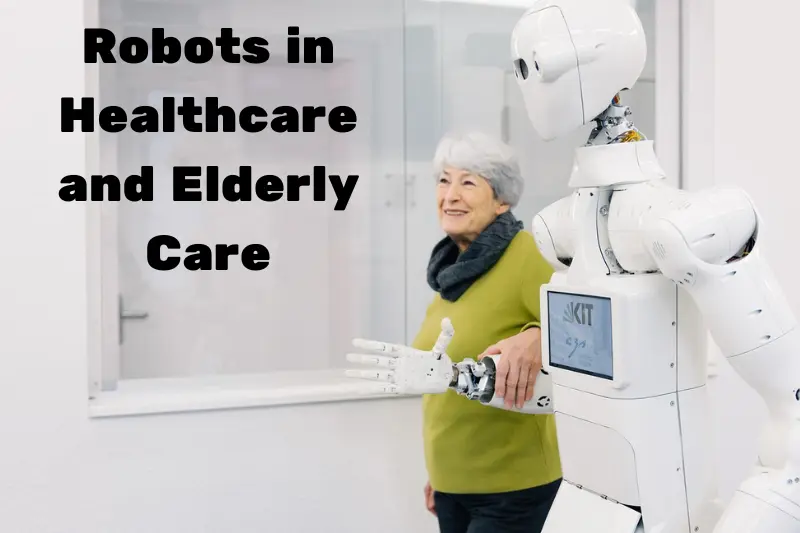
As populations age, robots are becoming vital caregivers and health assistants.
1. Companion Robots
Robots like Paro, Jibo, and ElliQ offer conversation, medication reminders, and emotional companionship for the elderly, reducing loneliness and improving mental well-being.
2. Health Monitoring Robots
Devices monitor vitals, detect falls, and alert emergency services. Some even assist with daily routines like bathing or eating.
3. Rehabilitation and Mobility Support
Exoskeletons and rehab robots like ReWalk help patients recovering from injury or surgery regain strength, coordination, and independence.
Robots in Agriculture: Feeding the Future
Agricultural robotics is growing rapidly as farmers face labor shortages and the need for sustainable practices.
1. Autonomous Tractors and Drones
Self-driving tractors and drones can plant seeds, spray crops, and monitor fields using AI-driven precision farming.
2. Harvesting Robots
Robots like Agrobot and Octinion harvest fruits and vegetables efficiently, detecting ripeness and handling produce delicately.
Robots in Transportation: Driving Autonomy Forward
1. Self-Driving Vehicles
Companies like Tesla, Waymo, and Cruise are at the forefront of autonomous car development. These vehicles aim to reduce traffic accidents and offer greater mobility for people with disabilities.
2. Robotic Parking Systems
Automated parking solutions use lifts and rails to park vehicles in compact urban spaces, reducing land usage and human effort.
The Future of Robotics in Everyday Life
The evolution of robotics is accelerating—and the next decade promises even more astonishing developments:
- AI-powered personal assistants with emotional intelligence.
- Robotic chefs and household robots capable of multitasking complex chores.
- Fully autonomous vehicles integrated with city infrastructure.
- Smart farming robots monitoring climate and soil in real-time.
- Space exploration bots preparing the moon and Mars for human arrival.
Emerging Trends in Everyday Robotics
As robotics technology evolves rapidly, here are some game-changing trends we can expect in the coming years:
1. Human-Robot Collaboration (Cobots)
Collaborative robots or “cobots” are designed to work alongside humans safely and efficiently. They’re already revolutionizing industries like manufacturing, healthcare, and agriculture, where they support—but do not replace—human workers.
2. AI Integration with Robotics
AI enables robots to learn from data, adapt to new environments, and make decisions on the go. This is especially crucial for home assistants, autonomous vehicles, and healthcare robots. AI integration ensures smarter, more responsive robotic systems.
3. Voice and Emotion Recognition
Robots are gaining the ability to detect emotional cues from tone of voice, facial expressions, and body language. This will make robots more intuitive companions, especially in elder care, therapy, and customer service.
4. Soft Robotics
Unlike traditional hard robots, soft robots are flexible and safe for direct human interaction. They’re being developed for use in surgery, caregiving, and delicate object handling.
5. Miniature and Swarm Robots
Tiny robots and swarm robotics (multiple small robots working together) are being researched for tasks like environmental monitoring, medical procedures inside the human body, and search-and-rescue operations in disaster zones.
Challenges and Ethical Considerations
While robotics brings numerous benefits, it also raises important challenges and questions:
1. Job Displacement and Workforce Impact
Automation may replace some manual or repetitive jobs. While it creates new opportunities in tech and robotics fields, reskilling and education will be essential to prepare the workforce for this shift.
2. Privacy and Data Security
Home assistants and surveillance robots collect vast amounts of personal data. Ensuring cybersecurity, transparency, and consent will be crucial to maintaining public trust.
3. Robot Ethics and Behavior
As robots become more autonomous, who is responsible for their actions? Developers must embed ethical frameworks into robot behavior—especially in areas like healthcare, law enforcement, or war zones.
4. Accessibility and Affordability
While robotics has advanced rapidly, high costs still limit access for many households and small businesses. Continued innovation should focus on cost-effective solutions to close this technological gap.
Integration with Smart Ecosystems
One of the most exciting developments in robotics is how seamlessly they’re integrating with smart ecosystems in homes and businesses. These ecosystems allow different smart devices and robots to communicate and collaborate for enhanced efficiency.
1. Smart Home Hubs
Robots are no longer standalone gadgets. When integrated with hubs like Google Nest or Apple HomeKit, they can:
- Start cleaning when you leave the house.
- Alert you through your phone when a delivery robot has arrived.
- Synchronize with your calendar and voice assistant to prepare your coffee as your alarm rings.
2. IoT and Robotics
The Internet of Things (IoT) plays a key role in robotic efficiency. For example:
- A robotic lawn mower connected to a weather app can delay its mowing schedule when it rains.
- A robotic fridge can keep track of food supplies and automatically place grocery orders.
3. Smart Cities and Connected Infrastructure
On a larger scale, robotics and IoT are transforming cities:
- Robots in public transit can provide directions and schedules.
- Garbage collection bots can optimize routes based on real-time waste data.
- Drones can work with traffic sensors to improve flow and reduce congestion.
How to Prepare for a Robotic Future
Whether you’re a student, professional, or entrepreneur, here’s how you can be ready for a world where robotics is deeply embedded in daily life:
1. Learn About Robotics and AI
You don’t need a degree in engineering. Free platforms like Coursera, edX, and Khan Academy offer beginner courses in robotics, machine learning, and automation.
2. Invest in Smart Tech Gradually
Start with basic devices like a smart assistant or robotic vacuum. Learn how to integrate them with your daily routines and build comfort with technology.
3. Focus on Human-Centric Skills
Robots excel at tasks, but humans shine in empathy, leadership, and creativity. Cultivating soft skills ensures you stay valuable in a robot-assisted world.
4. Stay Informed
Subscribe to tech newsletters, follow robotics innovators on social media, and attend webinars or expos. Awareness is the first step to empowerment.
Robots and Mental Well-being
Another area where robotics is beginning to shine is mental health and emotional support:
1. Therapeutic Robots
Robots like PARO, a robotic baby seal, are used in therapy for dementia and PTSD patients. Their calming presence and responsiveness can reduce anxiety and improve mood.
2. Social Interaction for the Lonely
In a world where loneliness is rising, companion robots like ElliQ and Lovot offer daily interaction, reminders, and even initiate conversations, helping individuals—especially the elderly—feel less isolated.
3. Robots in Autism Therapy
Educational and interactional robots are being used to assist children with autism in developing social and communication skills in a controlled, predictable environment.
Bold Predictions for the Next Decade
Let’s take a peek at where robotics in everyday life is likely headed by 2035:
- Personal AI-Enabled Robots that understand your habits and evolve with you.
- Robot Pets indistinguishable from real animals, offering companionship without the care burden.
- AI-Robotic Tutors offering 1-on-1 lessons tailored to a student’s exact learning pace.
- Home Medical Bots that perform basic diagnostics, administer first aid, or conduct routine health tests.
- Fully Automated Smart Homes where everything—from lighting to meals to waste disposal—is robotically managed.
Conclusion
Robotics in everyday life is no longer a distant dream but a present reality, transforming how we live, work, and care for each other. From smart homes to healthcare and smart cities, robots are making daily tasks easier, safer, and more efficient. As technology advances, robotics will become even more integrated, intelligent, and helpful.
While challenges like privacy and job shifts remain, embracing robotics offers exciting opportunities for innovation and improved quality of life. By staying informed and adapting, we can all benefit from this robotic revolution shaping a smarter, more connected future.